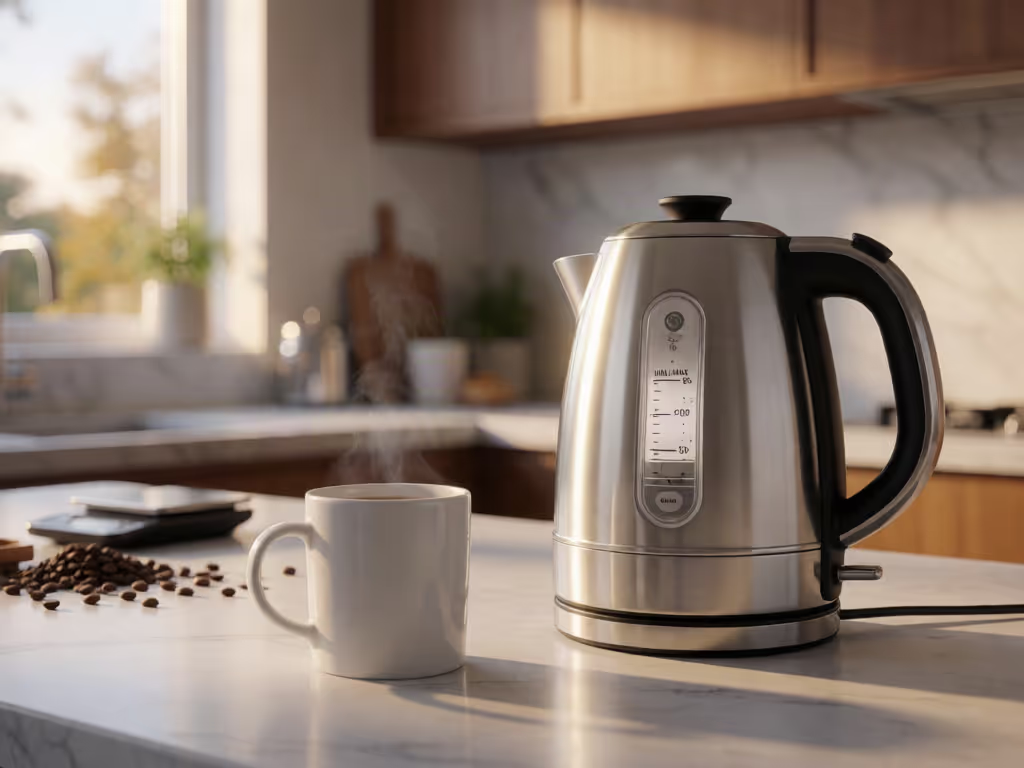
Ceramic Kettle Benefits and Safety: A Practical Guide
By Ava Osei • 15th Oct
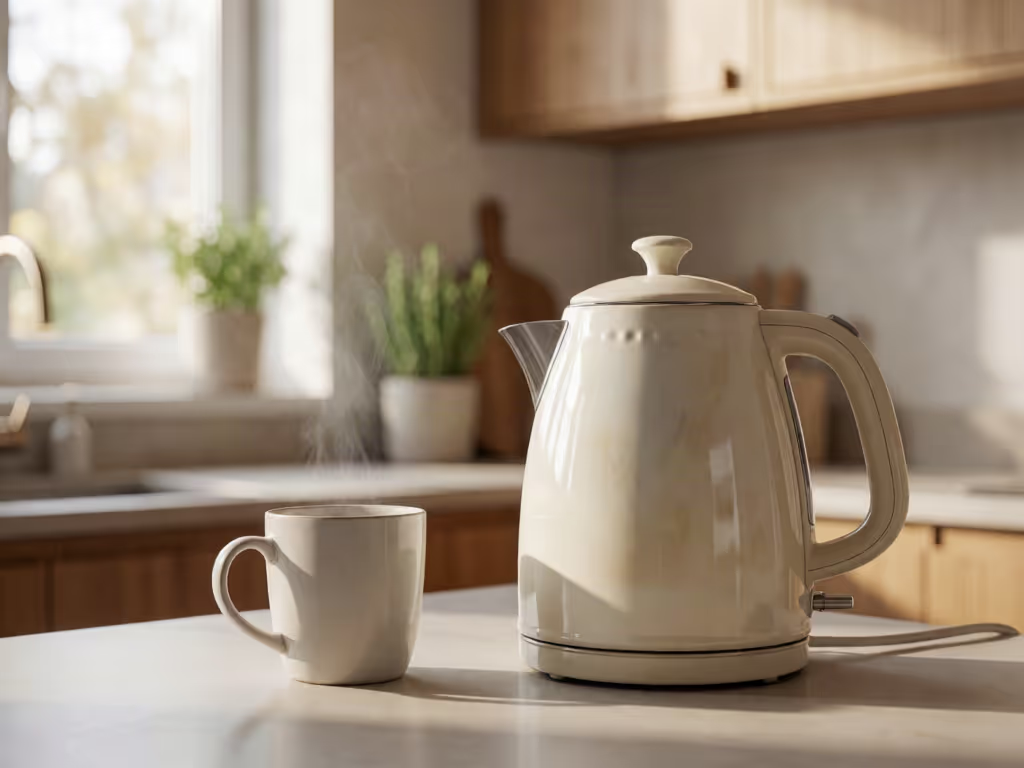
Quick answer
Ceramic kettles are not universally better or healthier. A publisher-reported possible heat-retention benefit comes with reported tradeoffs in handling and durability, while safety depends on the exact kettle’s construction, documentation, and care instructions.
- Key distinction: Choose by routine rather than material label: compare capacity, weight, balance, fill markings, controls, cleaning guidance, and documented boil-dry protection for specific models.
- Important caveat: “Ceramic” alone does not prove a kettle is lead-free, cadmium-free, non-toxic, or safer than glass, stainless steel, or plastic. Inspect for damage and follow the manufacturer’s manual.
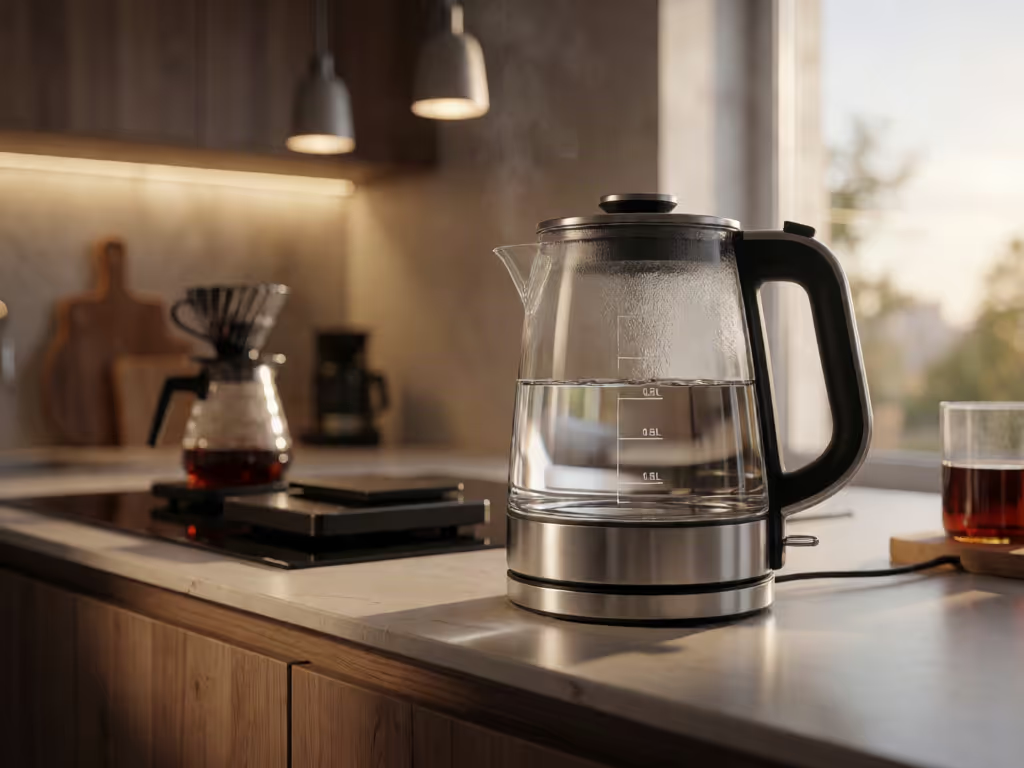
If you are weighing ceramic kettle benefits against a glass electric kettle, start with the questions that actually shape a calm daily routine: Can you lift it confidently when full? Is its food-contact information clear? Does its manual tell you exactly how to clean it, fill it, and respond to damage? Ceramic can be a thoughtful choice, but the material name alone cannot promise better safety or better performance. The useful goal is simpler: a kettle setup that is secure, stable, repeatable.
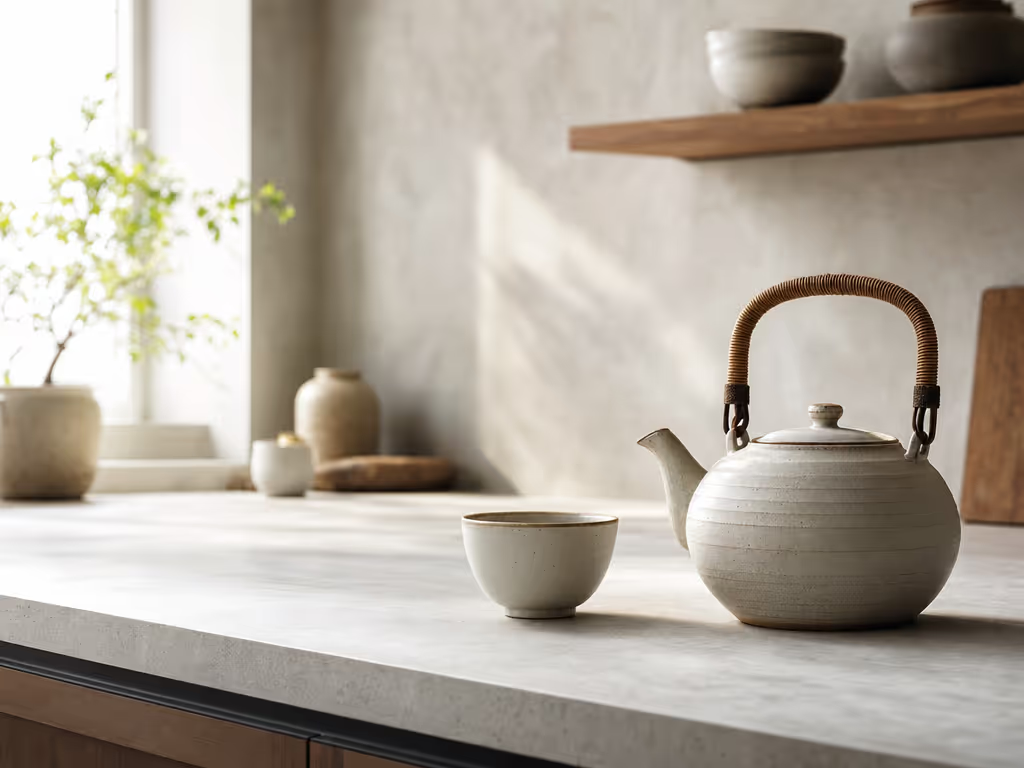
What benefits can a ceramic kettle realistically offer?
A lifestyle publisher reports that ceramic retains heat. For a deeper look at how ceramic, glass, and stainless steel can affect taste and water chemistry, see our kettle materials and water chemistry guide. That publisher-reported tendency can suit someone who likes a measured tea ritual rather than a rush: boil or heat the water, prepare the cup, then pour without feeling forced to move at top speed.
That is publisher-reported background, not a performance guarantee. The available information does not quantify how much longer any ceramic kettle stays warm, and it does not establish that ceramic electric kettles heat faster or use less energy than glass or stainless-steel options. A ceramic body may be attractive and pleasant to use, but do not turn “retains heat” into an assumed energy-saving claim.
For a purchase decision, convert that possible benefit into a check:
- Does the capacity match what you usually make at once?
- Can you safely control the kettle when it contains that amount of water?
- Does the manual explain temperature settings, minimum and maximum fill lines, and care in plain language?
- Will the kettle's format fit your counter and your normal brewing rhythm?
A beautiful kettle that complicates your morning is not automatically a good tea kettle. Clear markings and intuitive controls matter more than ornament.
Are ceramic kettles heavier or less durable?
Potentially, and this is where handling deserves more attention than aesthetics. The same publisher reports that ceramic kettles are noticeably heavier than steel varieties, and that stainless steel tends to resist chips and scratches better over time. These are useful tradeoffs to consider, not measured rules for every model.
Instead of guessing from photos, picture the full-kettle moment. You may be carrying hot water one-handed, reaching around a drying rack, or pouring while someone else is nearby. Before buying, look for the product's stated empty weight, capacity, handle design, and manual. If you can examine it in person, test the grip and balance without water first.
Durability is also a routine, not just a material label. Make a quick pre-use inspection part of the habit:
- Look over the body for cracks, chips, or other visible damage.
- Check that the handle and lid feel secure.
- Confirm the base and cord are in good condition if it is electric.
- Stop using the kettle if its documentation says damage makes use unsafe.
As a concrete example of the kind of warning worth taking seriously, the manual for one borosilicate-glass electric kettle says not to use a cracked container or one with a loose or weakened handle. That is guidance for that glass model (not a universal ceramic kettle rule), but the underlying purchasing lesson travels well: read the damage warnings before the first boil, not after a problem appears.
Precision is a habit, not an advanced setting.
Is ceramic kettle safety determined by the material alone?
No. “Ceramic” does not establish whether a particular kettle is lead-free, cadmium-free, non-toxic, or healthier than another kettle material. The available information does not support a health ranking among ceramic, glass, stainless steel, or plastic.
One retailer, writing about ceramic foodware rather than electric kettles, says that food-contact glaze is highly important to safety. The retailer also says FDA ceramic-foodware compliance guides set limits for leachable lead and cadmium. Those retailer statements are not independent confirmation that a specific kettle meets a given requirement, nor does an attractive finish tell you what the food-contact surface is made of.
Use a documentation-first checklist instead:
Before you buy
- Read the manufacturer's description of the surfaces that contact water.
- Look for clear food-contact and safety information for the exact kettle, rather than relying on broad material claims.
- Read the manual's limits, warnings, and cleaning instructions.
- Check whether the maker explains how to obtain support if a handle, lid, base, or body develops a problem.
Before every use
- Follow the stated fill lines and minimum-fill guidance.
- Use the kettle only as its manual directs.
- Inspect it for damage and stop if its instructions say not to use it.
- Keep hot-water handling deliberate: a stable surface, a clear path to the cup, and no hurried reach over clutter.
If an electric model advertises boil-dry protection, verify it in that model's documentation. One glass-kettle manual describes automatic shutoff when the unit is dry or started without water, with the kettle staying off until it cools. That feature is helpful when present, but it should never be assumed across ceramic kettles.
How should ceramic kettle cleaning work?
Ceramic kettle cleaning should follow the specific manual, because the available information does not establish one universal cleaning or descaling method for ceramic electric kettles.
Your repeatable maintenance plan can still be very straightforward:
- Read the cleaning section before the first use. Save a photo or bookmark of the instructions.
- Check the manual before choosing a cleaning response. If you are unsure how to address water spots, scale, a rough-looking interior, or a lid that no longer sits as intended, do not improvise an aggressive cleaner.
- Use only the manufacturer-approved method. Do not assume advice for cookware, a glass electric kettle, or a steel kettle transfers to ceramic.
- Inspect after cleaning. Check the body, rim, handle, lid, and any removable parts before refilling.
For descaling questions, consult the procedure and interval specified for the exact kettle, alongside this electric kettle cleaning and maintenance guide. No single descaling schedule can be given here for ceramic kettles.
Should you choose ceramic or a glass electric kettle?
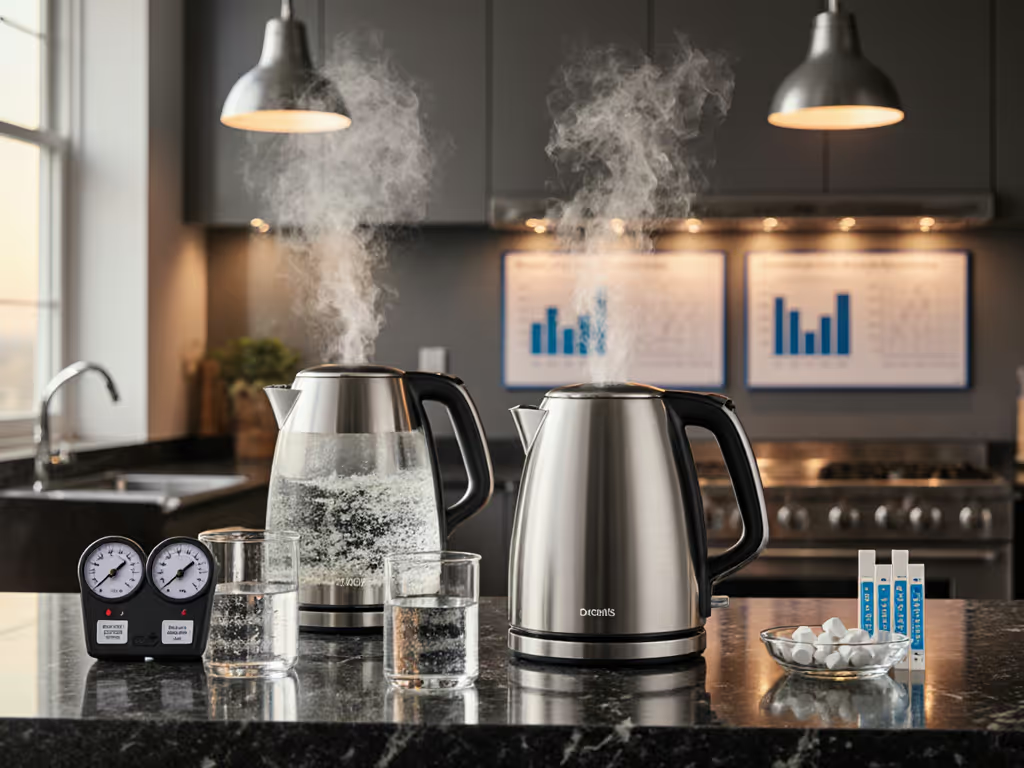
Choose based on the evidence available for the specific appliance, not on a material contest. Use a glass electric kettle comparison to examine exact models and their documentation. For the Chefman borosilicate-glass model cited above, the manual covers safety and cleaning and sets a 0.5 L minimum fill line; other glass kettles need their own documentation. Ceramic may appeal for the publisher-reported heat-retention tendency and visual warmth, while stainless steel may appeal to buyers prioritizing the publisher-reported durability comparison.
For tea drinkers, repeatability matters more than a label on the box. The kettle is not a magic ingredient; clear, documented settings can make a chosen routine easier to repeat.
So, if temperature control is central to your tea, ask whether the exact model documents its settings clearly. If safe handling is your main concern, prioritize a comfortable handle, clear fill markings, a stable base, and straightforward damage warnings. If easy upkeep is non-negotiable, read the descaling instructions before purchasing.
FAQ: Are ceramic kettles better?
Not across the board. Ceramic may offer heat retention, according to publisher-reported material guidance. The same source flags possible tradeoffs in weight and long-term resistance to chips and scratches compared with stainless steel. Those points do not establish an overall winner, because they do not measure specific kettles under the same conditions.
A better question is: better for which routine? A ceramic kettle can be a sensible fit if you value its look, can maneuver it comfortably, and can confirm clear safety and care information for the exact model. Choose another material if the documented features of that alternative better support your own handling, capacity, and maintenance needs.
Continue your research with a simple comparison sheet
Before committing, compare two or three exact models using the same columns: capacity, empty weight, fill markings, handle and lid design, temperature controls, boil-dry protection if documented, cleaning instructions, and damage warnings. Then choose the one whose manual makes daily use easiest to understand.
That small bit of homework protects both the ritual and the people sharing your kitchen. Good gear should make dependable habits feel ordinary: secure, stable, repeatable.
Related Articles